
Tasks 3.1, 3.2 and 3.3 lead: NPL
In WP2, methods were developed for the detection and quantification of hydrogen fugitive emissions from pressurised industrial components (e.g. flanges, compression fittings, and valves). Before deployment at operational industrial sites, these methods required rigorous evaluation under controlled conditions to establish their performance, reliability, and limitations. To address this need, a comprehensive laboratory-based performance assessment of the selected instruments (Task 3.2) and a thorough evaluation of the developed detection and quantification methods (Task 3.3) were undertaken. The testing programme employed high-accuracy Controlled Release Facilities (CRFs) capable of generating representative hydrogen leaks through calibrated orifices as well as real industrial components. This approach enabled the simulation of a wide range of realistic leak scenarios while providing traceable reference leak rates for method validation.
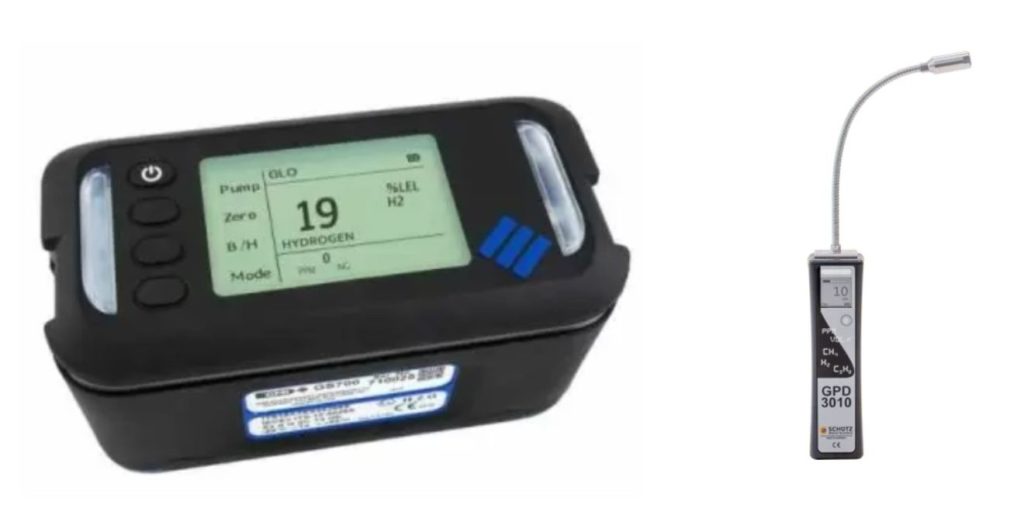
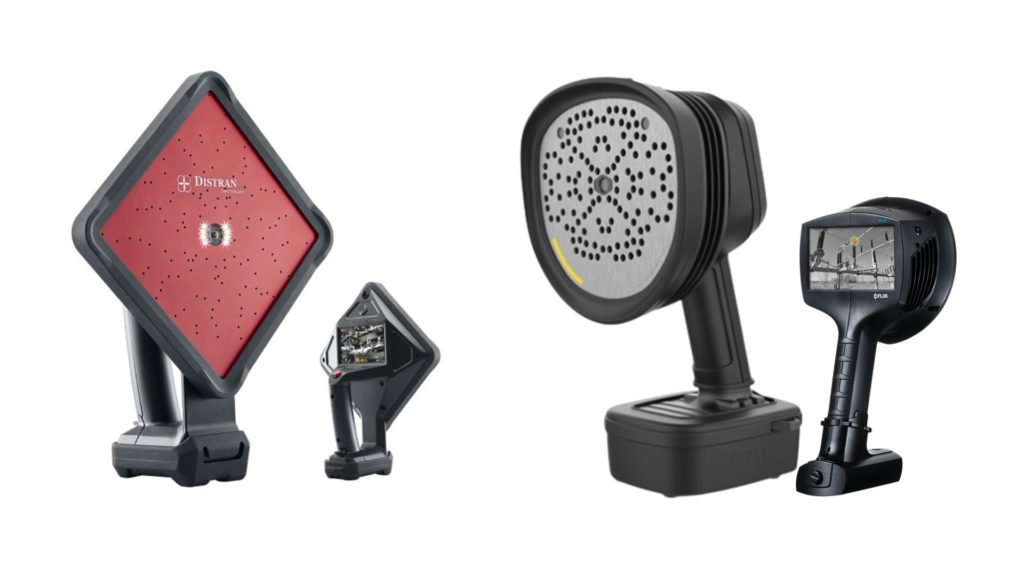
The selected hydrogen leak-detection technologies comprised portable gas detectors and ultrasonic acoustic imaging cameras, while leak quantification was performed using the High-Flow Sampling (HFS) method.
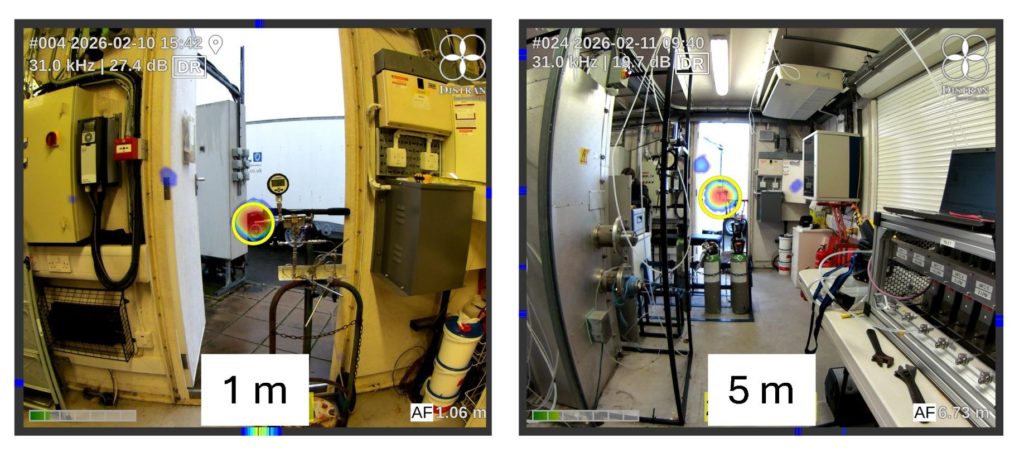
The portable gas detectors proved highly effective for the identification and localisation of hydrogen leaks, including very small releases with leak rates below a few millilitres per minute. On the other hand, the ultrasonic acoustic cameras were particularly effective for the detection of larger hydrogen leaks, typically above 10 mL/min, and offered the additional advantage of identifying leak locations from distances of several metres.
The study also demonstrated the existence of a minimum ultrasonic emission threshold associated with gas leaks. Consequently, the detection limit of the acoustic imaging technique was found to be governed primarily by the physical characteristics of the leak and the resulting ultrasonic signal generation, rather than by the intrinsic sensitivity of the camera itself.
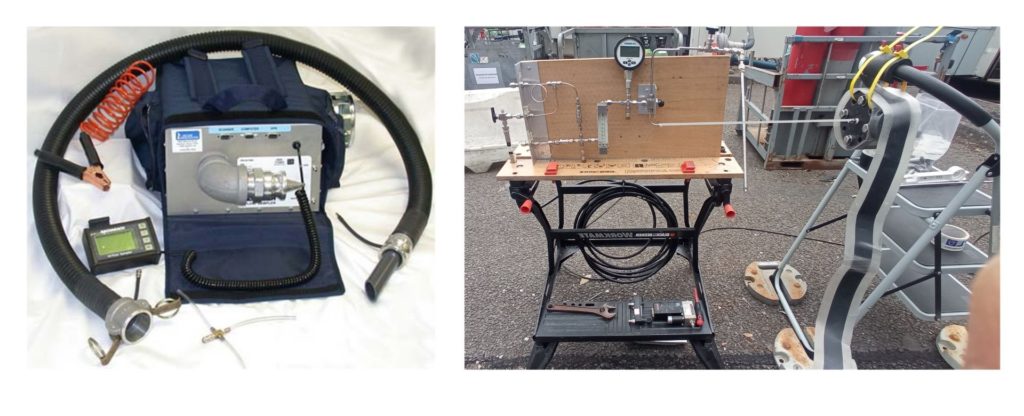
The HFS leak-quantification method is based on the accurate determination of three key parameters: the sampling flow rate, the diluted hydrogen concentration within the sampler, and the sampling efficiency. For the first time, a methodology was successfully developed and applied to evaluate the intrinsic performance of the HFS instrument independently of the sampling efficiency, enabling the separate assessment of these two sources of uncertainty.
The results confirmed that the selection of sampling attachments tailored to the specific leaking component plays a critical role in the sampling efficiency, and therefore in the accuracy of hydrogen leak quantification. When optimised sampling configurations were employed, capture efficiencies in the range of 95-100% were achieved.
Under the conditions investigated, the HFS method demonstrated excellent performance, with leak-rate measurement accuracies better than 10% for leak rates above 2 L/min and generally better than 20% for leak rates below 2 L/min. These findings, however, are limited to the range of components and operating conditions examined in this study, namely pressures up to 8 bar and leak rates up to 7.5 L/min.
A comprehensive set of reports (Deliverables D3.1 and D3.2) has been produced, documenting the test programme, detailed analyses, and resulting conclusions. The reports also include practical recommendations for the implementation of best-practice approaches to hydrogen leak detection and quantification, supporting their wider adoption across industry.