Task 4.1 lead: ENGIE | Partners involved: FBK, SURREY, ENEA, INIG, DLR, UNIBO, BH and SNAM
Task 4.3 lead: ENGIE | Partners involved: FBK, ENEA, SURREY, UNIBO and BH
Work Package 4 (WP4) of the NHyRA project focuses on assessing hydrogen emissions across complete hydrogen value chains, from production to end use. In July 2026, the WP4 team reached a major milestone with the completion of Task 4.1, “Modelling of H₂ releases from the hydrogen value chain”, and the submission of three deliverables.
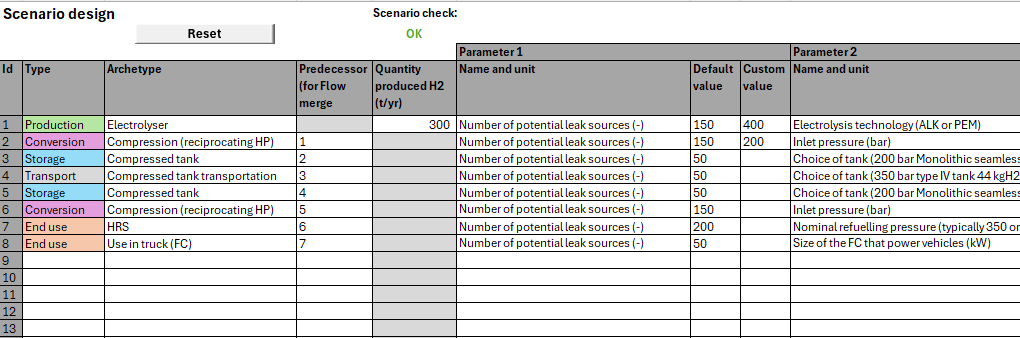
Together, these deliverables establish a consistent framework for estimating hydrogen emissions across the main building blocks of the value chain. D4.1 describes the method developed to upscale available measurement and literature data and applies it to more than 25 technology archetypes. D4.2 presents the first version of the NHyRA simulation tool, an Excel-based model that enables users to assemble hydrogen value chains and estimate annual emissions by technology and emission type. D4.3 applies the method and tool to representative value chains to identify and rank the main contributors to overall hydrogen emissions. These three deliverables are sensitive and are therefore shared only within the NHyRA consortium.
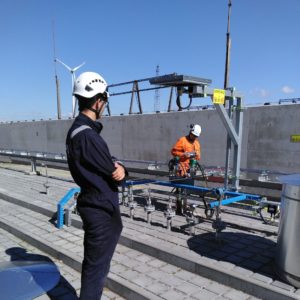
Building on this foundation, WP4 has now started Task 4.3, “Mitigation benefits at value-chain level” (Lead: ENGIE, partners involved: FBK, ENEA, SURREY, UNIBO, BH). Over the coming months, partners will improve the modelling method and simulation tool by incorporating new data, refining selected technology models and enhancing the tool’s functionalities and usability. The updated tool will then be applied to relevant industrial cases to assess hydrogen emissions under realistic operating conditions.
A key objective will be to implement the mitigation actions identified and evaluated in Task 4.2 and to quantify their benefits at the scale of complete hydrogen value chains. This will help identify where mitigation measures can deliver the greatest reductions and support practical recommendations for limiting hydrogen emissions. Unlike the first Task 4.1 outputs, the final WP4 deliverables—an updated simulation tool, an assessment of mitigation benefits at value-chain level and the final modelling method—will be publicly available, making the project’s results accessible to researchers, industry stakeholders and other users beyond the NHyRA consortium.