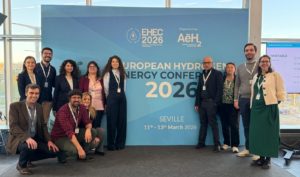
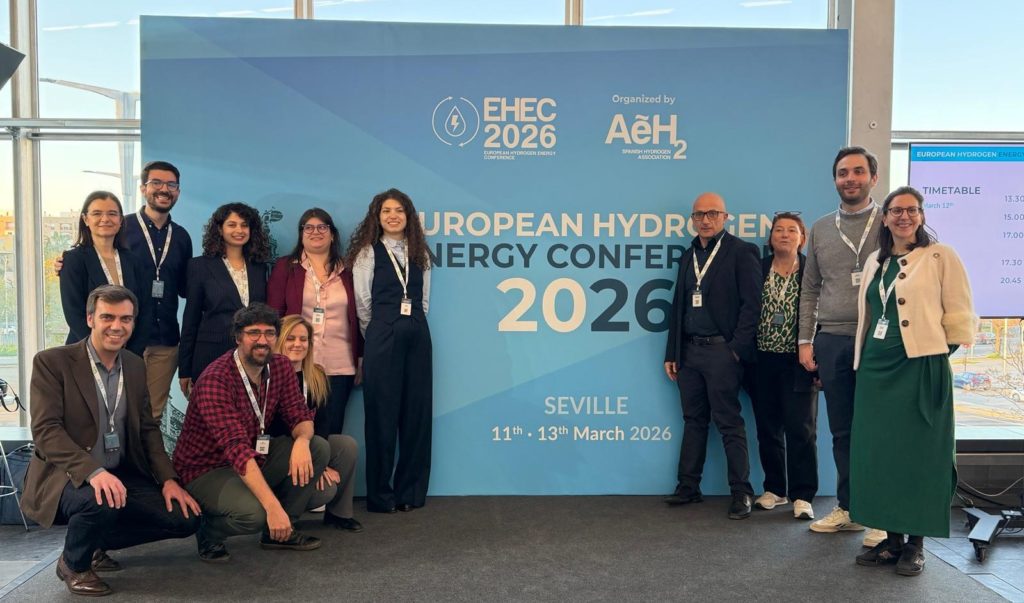
NHyRA hosted the workshop titled “Building a Sustainable Hydrogen Economy: Insights from HYDRA & NHyRA Projects” last March 12 at the European Hydrogen Energy Conference (EHEC) 2026 in Seville, Spain. The event, organised by the European Gas Research Group (GERG) and beWarrant Tinexta Innovation Hub, aimed to present the main progress achieved in the projects, with a focus on the implications of large-scale hydrogen adoption as a carbon-free energy source. This was the second event that NHyRA hosted at EHEC 2026, following a parallel session in which the consortium presented our updates on the prioritisation of archetypes in the H2 value chain.
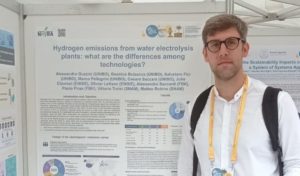
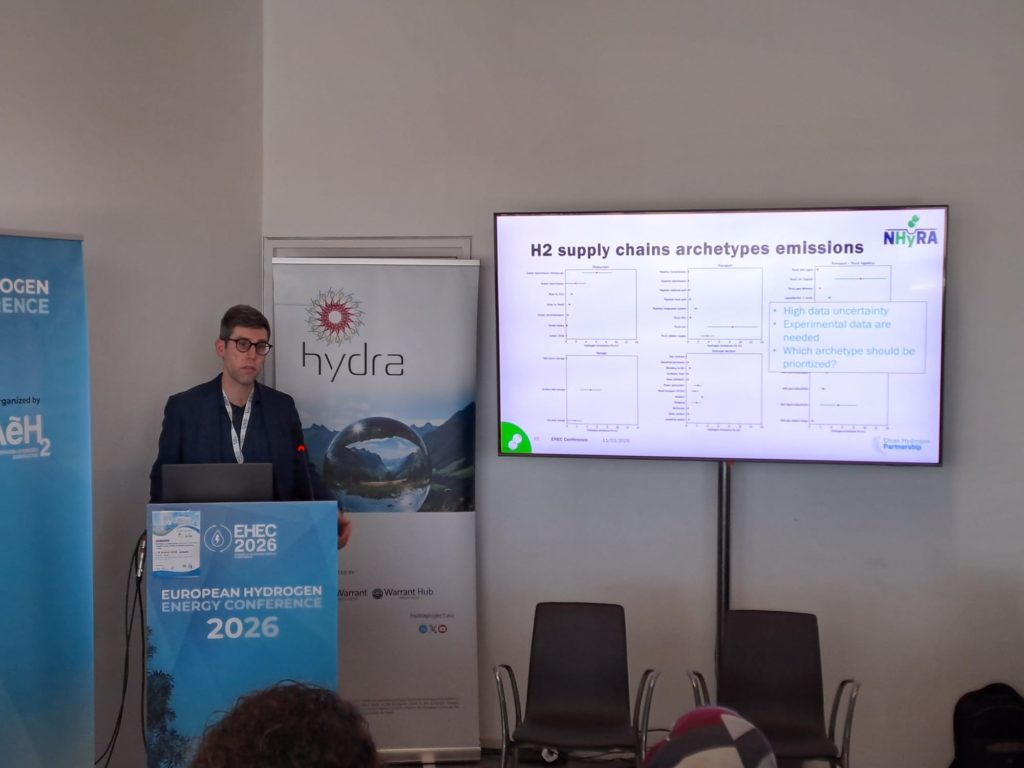
Vittoria Troisi, Decarbonization Technology R&D Specialist at Snam and project coordinator of NHyRA, presented the project to attendees. Following an introduction to the HYDRA project, the first of three sessions began. This session focused on the hydrogen value chain and leakage points, providing an overview of the chain and the main emission sources identified within NHyRA, presented by Alessandro Guzzini, Research Fellow at the University of Bologna. The HYDRA team also presented their analysis of estimated hydrogen losses along the value chain.
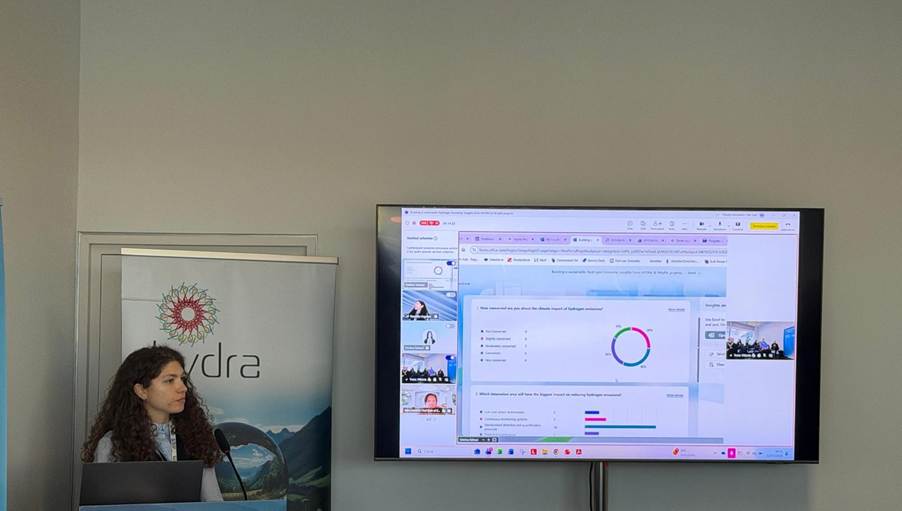
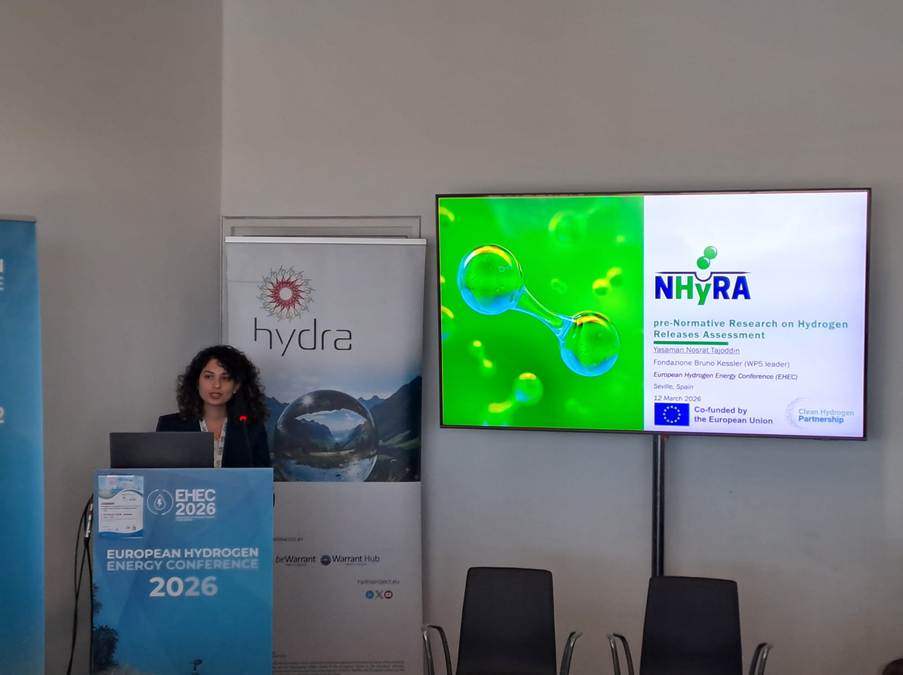
The second session addressed future scenarios for the hydrogen economy. Yasaman Nosrat Tajoddin, Researcher in Sustainable Energy at the Bruno Kessler Foundation (FBK), presented NHyRA’s work on strategic planning for future hydrogen systems. The HYDRA consortium complemented this by examining potential hydrogen emissions across different scenarios, including associated environmental risks and climate impacts.
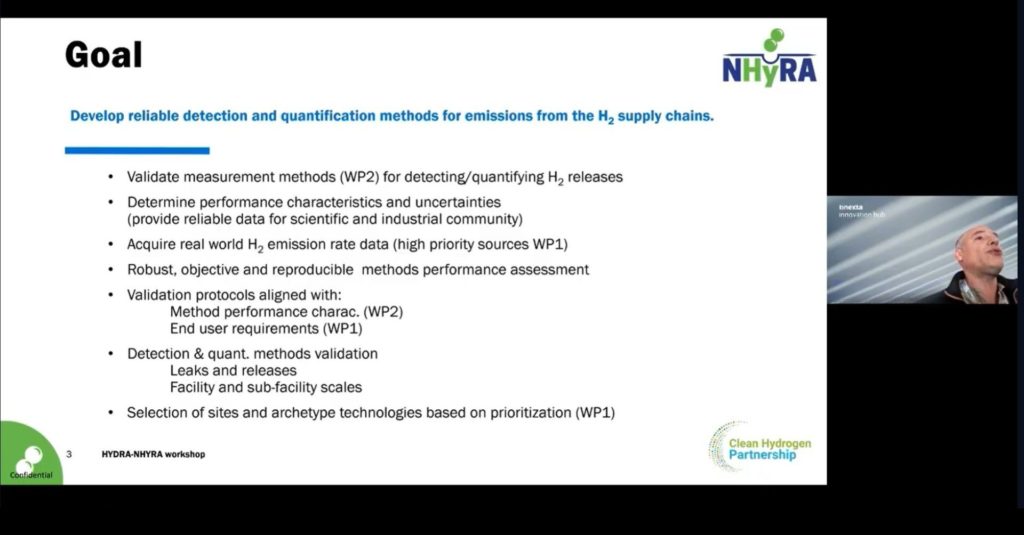
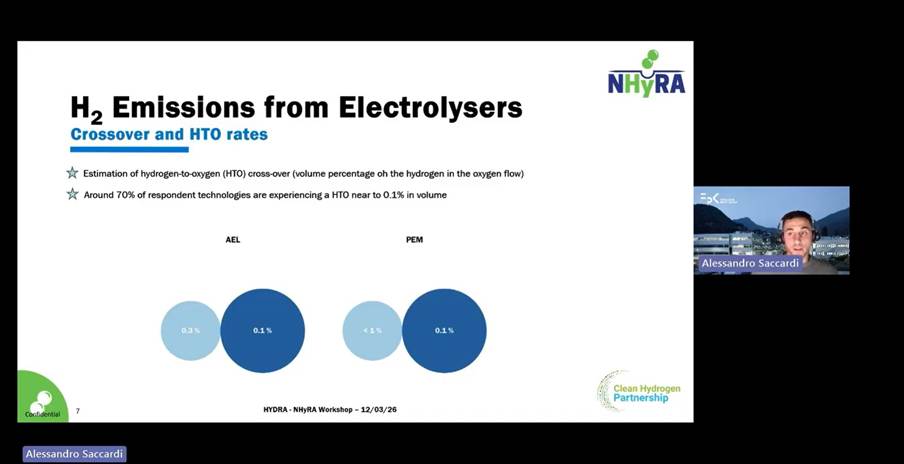
The final session focused on practical technologies for detecting hydrogen leakages. Haydn Barros, Higher Scientist at the United Kingdom’s National Physical Laboratory, presented the evolution of NHyRA’s methodologies for hydrogen leakage detection, along with initial experimental results. Alessandro Saccardi, Research Engineer at FBK, shared insights from monitoring leakages in electrolyser systems. The HYDRA team also presented the technologies developed within their project and the corresponding testing activities.
The workshop concluded with a discussion session involving partners from both projects and attendees, also divided into three parts. The first discussion topic focused on how robust existing research on hydrogen emissions is, addressing Europe’s readiness to measure and manage them at scale. The second discussion moved to a more technical scope, analysing the main challenges in developing reliable hydrogen detection technologies and reviewing. Last, attendees discussed the regulatory changes most urgently needed to align hydrogen deployment with long-term safety and sustainability objectives. In case you want to rewatch the workshop, you can do it online through this link.